The Ultimate Guide to Bunk Beds for Children: Safety, Styles, and Benefits
When it comes to styling a kid's space, moms and dads often face the dual obstacle of taking full advantage of space while making sure comfort and functionality. Bunk Bed Sale have become a popular solution that deals with these needs, using not simply sleeping plans but likewise contributing to a space's aesthetic. In this extensive guide, we will dig into various aspects of kids's bunk beds, concentrating on their benefits, security features, designs, and factors to consider for moms and dads pondering this purchase.
Tabulation
- Benefits of Bunk Beds
- Security Features to Consider
- Types of Bunk Beds
- Style and Style Options
- Maintenance Tips
- Often Asked Questions (FAQs)
1. Advantages of Bunk Beds
Bunk beds use various benefits for kids and their parents. Here are some key benefits:
- Space-Efficiency: Bunk beds are an outstanding option for smaller spaces. By stacking one bed on top of another, more flooring space is readily available for play, storage, or research study locations.
- Cost-efficient: When kids share rooms, bunk beds can lower the need for purchasing two different beds, thus saving cash.
- Promotes Social Interaction: Bunk beds can assist brother or sisters or buddies bond by sharing a space, producing chances for social advancement.
- Fun Factor: The principle of sleeping "up high" includes a spirited aspect to bedtime, making the shift to sleeping alone much easier for some children.
- Versatile Design: Bunk beds are available in various designs, colors, and designs to match any space style, enabling personalization that reflects the child's character.
2. Security Features to Consider
Safety is paramount when it concerns kids's furniture, specifically when it comes to bunk beds. Here are some crucial security features to evaluate:
| Safety Feature | Description |
|---|---|
| Tough Construction | Frames made of solid wood or metal are chosen. |
| Guardrails | Ought to be at least 5 inches high and extend along both sides of the upper bunk. |
| Ladder Design | Guarantee ladders are firmly attached and have non-slip actions. |
| Bed mattress Size & & Fit | Should fit snugly within the frame to avoid gaps. |
| Weight Limit | Always follow the manufacturer's weight limit suggestions. |
3. Types of Bunk Beds
Bunk beds come in a number of designs, dealing with different needs, choices, and space sizes. Here are some common types:
- Standard Bunk Bed: The most basic type, with one bed on top of another.
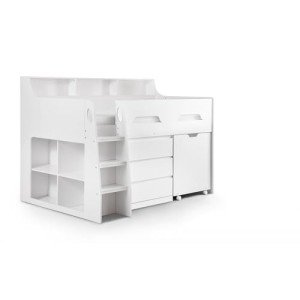
- Loft Bed: Features a high upper bed with space below for a desk or play location.
- Futon Bunk Bed: Combines a top bunk with a futon on the bottom, providing flexibility for seating and sleeping.
- L-Shaped Bunk Bed: This design has the leading bunk set at a perpendicular angle to the bottom, developing a little corner location.
- Triple Bunk Bed: Accommodates three children utilizing stacked beds, ideal for large families or slumber parties.
4. Design and Style Options
When it concerns selecting a style for kids's bunk beds, the choices are practically unlimited. Here are some popular styles:
- Traditional Style: Often made of wood, these bunk beds include elaborate details and are ideal for timeless or rustic-themed rooms.
- Modern Style: Characterized by clean lines and minimalist styles, modern bunk beds can be made from metal or wood.
- Themed Bunk Beds: Some brand names offer bunk beds formed like castles, vehicles, or playhouses, making bedtime less of a chore.
- Convertible Bunk Beds: These can be separated into two specific beds, offering flexibility as kids grow.
- Colorful Options: Bunk beds in dynamic colors can include a sense of joy and playfulness to any space.
5. Maintenance Tips
Keeping a bunk bed is essential for durability and security. Here are some suggestions:
- Regular Inspections: Check for loose screws or bolts every couple of months and tighten them as needed.
- Cleaning up: Wipe down frames regularly to prevent dust accumulation; think about utilizing a vacuum for hard-to-reach areas.
- Bed mattress Care: Rotate mattresses frequently and use protective covers to lengthen their life.
- Expect Wear and Tear: Look for any signs of damage in the wood or metal and consider changing parts if required.
- Teach Kids Safety Rules: Encourage kids to use ladders effectively and ensure they understand the security functions of their bed.
6. Regularly Asked Questions (FAQs)
Q1: What age is proper for sleeping in a leading bunk?
A1: Typically, kids aged 6 and older are recommended for upper bunk sleeping, as they have the essential motor abilities to climb up safely.
Q2: Do bunk beds include a mattress?
A2: Most bunk beds are sold as frames just, so you will need to buy bed mattress independently. Make sure that the mattress fits the frame comfortably.
Q3: Can bunk beds be separated later on?
A3: Many designs enable conversion into 2 individual beds, supplying versatility for future needs.
Q4: How can I guarantee my child's security on a bunk bed?
A4: Comply with safety standards and make sure guardrails, a durable frame, and a protected ladder are in location.
Q5: Are there weight limitations on bunk beds?
A5: Yes, always examine the manufacturer's specifications concerning weight limitations to guarantee safety.
Bunk beds for kids can serve numerous purposes while ensuring safety and style. With diverse designs and designs readily available on the market, parents can discover an unit that not only makes the most of bedroom space but also reflects their child's special tastes. As with any furniture, comprehending safety functions, upkeep, and how they fit into a kid's lifestyle will guarantee that these beds remain a useful furniture service for many years to come.
Through careful consideration and adherence to security guidelines, bunk beds can offer a long-lasting, fun, and practical sleeping solution that kids love.